


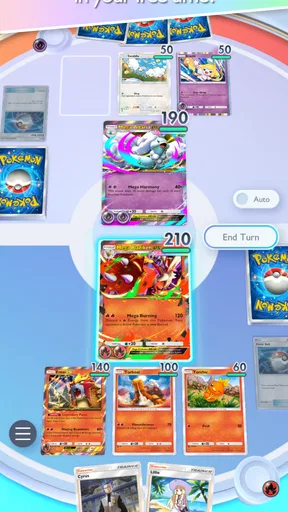

Pokémon TCG Pocket - Card Game review
 Analysis by GetAllApps
I like Pokémon TCG Pocket most when I treat it as a small daily card-collecting ritual rather than a full replacement for sitting down with a traditional trading card game. The appeal is immediate: open a pack, enjoy the reveal, and gradually build a collection that feels personal. It is a free card game from The Pokémon Company, rated for Everyone, and its simple rhythm makes it easy to try even if you have not followed the Pokémon Trading Card Game closely.
A relaxed routine built around opening packs
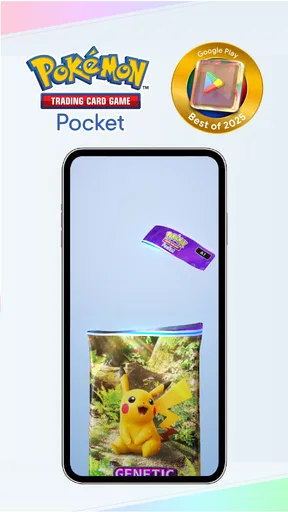
The basic loop is easy to understand. You can open two booster packs each day without paying, so there is a natural reason to check in without needing to plan a long session. I find that works particularly well during a short break: open a pack, look through the cards, and decide whether anything is worth keeping in mind for a deck or collection goal.
The reveal is a big part of the pleasure. Cards are not just inventory to sort; the anticipation of seeing what appears gives each pack opening a little moment of theatre. That makes the game welcoming for collectors who enjoy the artwork and the excitement of discovery as much as the competition. It also means a brief session can feel complete, rather than like an unfinished chore.
For a useful everyday habit, I would open packs when I have enough time to inspect the results rather than tapping through them automatically. A quick look at newly acquired cards helps you notice useful additions and avoid forgetting what your collection actually contains. If you are playing between errands or during a commute, the short daily routine is convenient; if you want a long, strategic card session, you may find the pack-opening rhythm only one part of what you came for.
The game has a 4.6 average from around 1.8 million ratings, and more than 50 million installs. Those figures point to a broad audience, but they do not guarantee that its relaxed pace suits every Pokémon fan. The key question is whether you enjoy collecting and gradual progress, not simply whether you recognize the characters.
Make the collection work for you
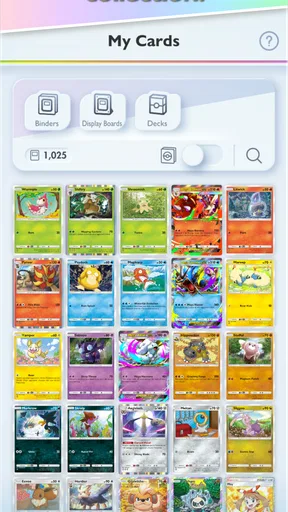
I recommend choosing a personal focus early. You might be chasing cards featuring a favorite Pokémon, building a set of appealing illustrations, or trying to assemble cards that work together in play. A focus makes each pack easier to evaluate: instead of judging every result as either a hit or a disappointment, you can ask whether it helps with the kind of collection or deck you actually want.
This is especially useful when several cards look exciting at once. Keep a mental note of what you already have and what you are hoping to find, then give new cards a second look before making a deck decision. That small pause is a more reliable habit than assuming a rare-looking card automatically improves your lineup. In a collectible card game, the card you enjoy owning and the card that fits a particular strategy are not always the same thing.
I also find it helpful to separate “collecting” sessions from “playing” sessions. When I am opening packs, I can enjoy the art and consider what I want next. When I am preparing to play, I can focus on whether my chosen cards form a coherent plan. Mixing those goals can make a collection feel frustrating: a card may be delightful to pull without being the answer to a deck problem.
Settings and small habits worth checking
Before settling into a routine, I would check the in-game settings and make sure the presentation and controls feel comfortable on your device. I would not assume a particular option is available without seeing it in your version; the practical point is simply to spend a moment checking the choices the game actually presents. A comfortable setup matters more when you expect to return for brief sessions than when you are only sampling the game once.
On mobile, it is easy to rush through menus because the screen encourages quick taps. I suggest slowing down around pack results and deck choices, especially if you are still learning what your cards do. That is not a secret shortcut, just a repeatable way to avoid confusing a satisfying collection moment with a useful gameplay decision.
A second good habit is to decide in advance whether a session is for collecting, browsing, or playing. That keeps a quick check-in from turning into aimless menu hopping. If you only have a minute, focus on the free pack routine. If you have a little longer, inspect the cards you gained and consider whether they change a deck you want to use. This simple division makes the game feel less demanding without pretending that every visit needs a big objective.
The game is free to download, but it includes in-app purchases ranging from $0.99 to $99.99 per item. I would set a personal spending boundary before browsing purchase options, particularly if opening packs is the part you find most exciting. The free daily openings provide a clear way to participate without buying anything, while paid options may appeal to players who are comfortable spending for more collection opportunities. If you prefer games with no optional spending at all, that distinction is worth considering before you start.
Faster patterns without turning play into a chore
Experienced players often get more from a collectible game by making their decisions repeatable. Here, that can mean using a simple check-in sequence: collect the free openings, review anything that could help your current goal, and then stop if you have no reason to continue. The order matters because it keeps the daily reward from being lost in a longer session and makes it easier to see whether new cards affect your plans.
Another useful pattern is to keep one clear deck goal at a time. If you are trying to improve several ideas at once, every pack can feel like it failed to solve something. A narrower target makes progress easier to recognize and helps you decide which cards deserve attention. This is not a guarantee that the next opening will support your plan; it is a way to make the collecting process feel more intentional.
When you are comparing cards, look at what a deck needs rather than choosing only by visual appeal. A striking card can be a wonderful collection piece, while a less flashy addition may be more useful to a particular build. I like keeping those judgments separate: collect what makes you happy, and make gameplay choices based on how the cards work together. That approach suits both casual fans and players who care about winning, without forcing either group to pretend the other goal does not matter.
For a realistic routine, imagine checking in after breakfast. I would open the available packs, note whether anything supports my current deck idea, and leave deeper browsing for later. That prevents a short session from expanding into a long scroll through the collection. If I have time in the evening, I can then revisit the cards with more attention and make a considered change instead of rebuilding around a single exciting pull.
Where its limits become clearer
The game’s strongest feature, its approachable collecting rhythm, is also a limitation for some players. Two free packs a day encourage regular returns, but they do not make every session feel substantial if you want constant new discoveries. The pace is designed for gradual collecting, so someone who expects rapid access to a complete collection may become impatient or feel pushed toward purchases.
It is also not the same experience as a physical card game with friends or a more demanding digital card battler. If your priority is handling physical cards, trading face to face, or spending a long session refining complex competitive play, a tabletop Pokémon TCG match or a deeper strategy-focused alternative may be a better fit. Pocket makes more sense when convenience, collecting, and quick mobile sessions are part of the appeal.
Its audience is broad: the game has a 4.6 average and around 40,000 written reviews, but popularity should not be mistaken for universal fit. Newcomers may appreciate the accessible entry point, while longtime players may want to judge whether this particular collecting and playing experience gives them enough depth. The app is currently at version 1.7.5, and it requires Android 7.0 or later on Android devices.
One practical trade-off is attention. Because the pack reveal is satisfying, it is easy to focus on the excitement of opening rather than on whether you enjoy the wider routine. I would give it a few visits and ask whether I am having fun choosing goals and using the cards, not merely hoping for a standout pull. If the answer is mostly the latter, the free routine may still be pleasant, but I would be cautious about spending to chase that feeling.
Who I would recommend it to
I would recommend Pokémon TCG Pocket to Pokémon fans who enjoy collecting, card artwork, and short sessions that fit around the day. It is also a sensible starting point for someone curious about the card game but not ready to commit to physical products or lengthy matches. The Everyone age rating reflects its broad accessibility, though parents should still consider that optional in-app purchases are part of the experience.
I would be more hesitant to recommend it to players who want a complete collection quickly, dislike recurring check-ins, or prefer games that never present paid options. It may also be the wrong choice if your main interest is a highly competitive card game with long, demanding matches. In those cases, a physical Pokémon TCG session or another card game focused more heavily on sustained strategic play could fit better.
My verdict is that this is a polished, easy-to-return-to collector’s game with a genuinely appealing daily rhythm. Its free openings make it approachable, and its Pokémon identity gives the collection a lot of charm. The best way to enjoy it is to set a modest goal, keep collecting and deck-building decisions distinct, and treat paid options as optional rather than necessary. If that sounds like the kind of mobile card experience you want, it is worth trying; if you need rapid progress or deep, uninterrupted competition, I would look elsewhere.
Pros and cons
Pros
- Quick battles make it easy to play in short sessions.
- Tutorials help newcomers learn the basic rules.
- Daily free packs support steady card collection.
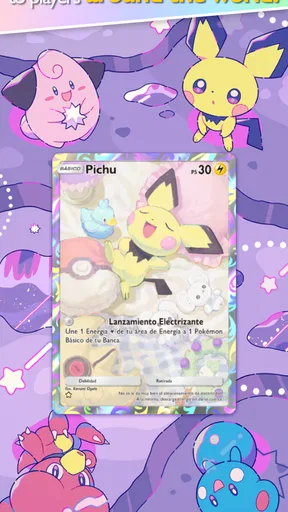
- Card art and immersive displays look polished.
- Deck building offers room to try different strategies.
Cons
- Random pack contents can make specific cards hard to obtain.
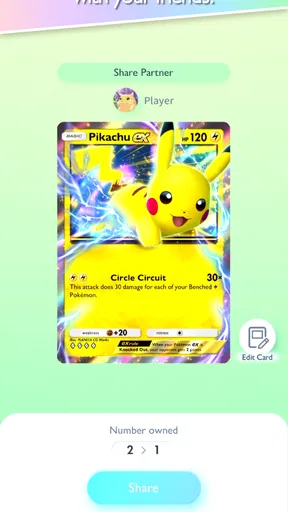
- Trading has limits that may slow collection progress.
- Battles rely on chance as well as deck strategy.
- Some cards and features require substantial time to unlock.
- Online play requires a stable internet connection.


